Condensation can show up on North Texas windows during cool mornings, sudden temperature swings, or periods of high indoor humidity.
Moisture on the interior glass, which is often tied to everyday humidity from cooking or showering, is a normal and (mostly) harmless phenomenon, but condensation between the panes is a different story.
Between-pane fogging always signals a failed seal or aging window unit that’s no longer insulating the way it should.
Why Condensation Forms on Windows in North Texas Homes
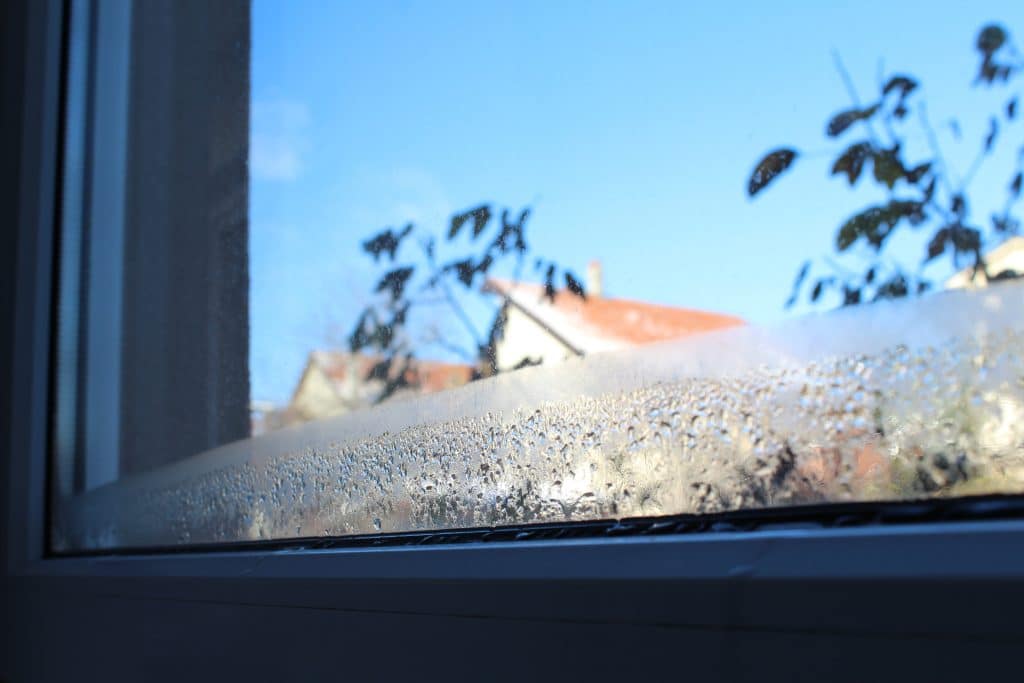
DFW’s weather patterns make condensation common. Warm indoor air holds moisture, and when that air meets a cold glass surface, the temperature drop forces water vapor to turn into droplets. This can happen quickly during cold fronts, warm afternoons that turn into chilly evenings, or any time activity inside a room causes humidity to climb.
Surface Condensation on Interior Glass
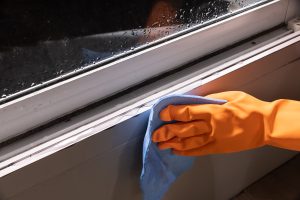
Surface condensation is the most common type and the least concerning. This interior moisture is essentially unavoidable in certain conditions, especially when cooking, showering, or using humidifiers. Running fans or improving ventilation can help minimize it.
Surface condensation typically isn’t a problem unless heavy condensation begins to run down the glass and soak into drywall, sills, or trim, which can lead to staining or water damage.
Condensation Between the Panes
You should be worried about moisture trapped inside a double-pane window, which usually points to a failed seal. The insulated glass unit (IGU) is designed to keep a dense gas like argon between the panes. When the perimeter seal breaks down, outside air and moisture work their way inside.
In other words, if you see condensation between panes, you can safely assume that the insulating gas has escaped and the window’s insulation value has significantly decreased.
Common Signs That Condensation Is Between Panes
- Fog or streaks that never wipe away
- A hazy or “milky” appearance between the panes
- Gradual loss of clarity over months or years
Once moisture gets inside the IGU, heat transfers more easily, rooms feel warmer in summer, and energy costs can rise.
How to Reduce Everyday Window Condensation
If you are worried about interior condensation, you can:
- Use bathroom exhaust fans during and after showers
- Run the range hood when cooking
- Crack a window briefly in areas with trapped humidity
- Adjust HVAC settings to reduce moisture levels
- Use a dehumidifier in problem areas
- Avoid blocking airflow around windows with heavy curtains or furniture
These steps help reduce fogging on the glass, but they cannot correct moisture between panes caused by a failed seal.
When Condensation Points to a Window Problem
- Fog or cloudiness that never clears
- Condensation inside the IGU that worsens over time
- Drafts or uneven temperatures near the window
- Visible gaps in the seal or frame
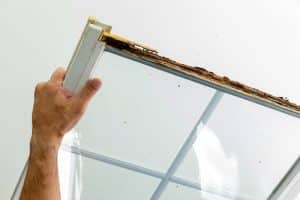
- Warping, sagging, or discoloration along the sash
These symptoms usually indicate the window is no longer insulating as designed and may be due for replacement.
Repair Options for Fogged or Drafty Windows
Insulated Glass Replacement
If the frame is still structurally sound, the IGU can potentially be replaced on its own. This restores clarity and thermal performance at a lower cost than a full unit replacement. However, many homeowners choose full window replacement because it provides a consistent look and updated performance that a glass-only repair can’t match.
Resealing and Recaulking
For surface condensation caused by small air leaks, new weatherstripping and perimeter sealant can tighten the window and reduce drafts. These solutions work best when the window framing material is in good condition and the issue is limited to glass or hardware.
When Full-Home Window Replacement Makes More Sense
Replacement is often the better long-term step when:
- Multiple windows have failed seals
- Frames are warped, cracked, or pulling away from the opening
- Drafts and temperature swings persist after simple repairs
- Windows are 15–20 years old and losing efficiency
- Energy bills continue rising despite HVAC improvements
Upgrading also gives homeowners access to modern features designed for Texas weather, including advanced Low-E coatings, argon-filled glass, durable vinyl and fiberglass frames, and fade-resistant finishes.
Many homeowners replace most or all of their windows at the same time, so if one window is failing, it’s likely all the windows of a similar age are soon to follow.
How Window Zone Helps DFW Homeowners Fix Window Condensation Problems
Window Zone provides an honest assessment of whether your windows need repair or replacement. Homeowners often appreciate:
- Clear evaluations that explain whether a repair will be sufficient
- Custom-made replacement windows designed for Texas heat and seasonal swings
- Certified installation that ensures tight air sealing and proper insulation
- A lifetime transferable warranty covering frame integrity, parts, insulated glass, accidental breakage, and labor
Whether you’re dealing with a single fogged window or noticing moisture across several rooms, our team can help you determine the most cost-effective solution.
Schedule Your Window Replacement or Repair Quote
Window Zone can identify the root cause and recommend options during a free consultation. Schedule your window replacement or repair quote by calling (469) 557-6333.