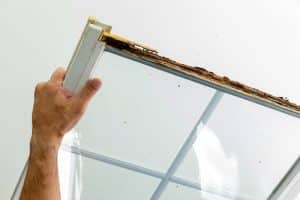

Windows show their age in ways beyond just higher energy bills, drafts, or condensation. One of the less appreciated issues with old or outdated windows is interior noise pollution. Replacement windows installed 15 or 20 years ago may no longer block sound as well as they once did.
Modern replacement windows are designed with stronger materials, tighter seals, and better insulating glass, so even a standard new unit without special acoustic upgrades can reduce everyday noise compared to older windows.
For homeowners who live close to major roads, schools, or under an active flight corridor, additional noise-reducing glass options can make an even more noticeable difference.
How Sound Moves Through Windows
A window’s ability to reduce noise depends on more than just the number of panes. Sound travels through glass, the frame, the airspace between panes, and any small gaps where sealing materials have weakened. The quality of the seals, the stiffness of the frame, and the thickness and construction of the glass all influence how much noise enters the home.
Acoustic performance is often measured using STC (Sound Transmission Class) and OITC (Outdoor–Indoor Transmission Class) ratings. STC primarily reflects mid- to high-frequency noise such as voices or general traffic, while OITC better captures low-frequency sounds like aircraft, trucks, and rail movement.
Higher ratings indicate better noise reduction, but the overall performance still depends on installation quality and the condition of the surrounding materials.
Laminated Glass for Stronger Noise Control
Laminated glass is one of the most effective ways to reduce exterior noise without changing the appearance of the door or window. It consists of two layers of glass bonded to a resilient interlayer that absorbs sound vibrations as they pass through. This interlayer helps disrupt the energy of both high- and mid-frequency noise, making it difficult for sound to travel from outside to inside.
For homeowners near highways, commercial districts, or common flight paths, laminated glass can noticeably soften road rumble, aircraft noise, and neighborhood activity. It also improves security because the interlayer holds the glass intact even if it cracks, adding durability without changing the style of the window.
Insulated Glass Units Designed for Better Acoustics
Most modern windows use an insulated glass unit (IGU), which includes two panes of glass separated by an air or gas-filled space. This design already offers better noise performance than older double-pane units due to improved spacing, enhanced seals, and more advanced manufacturing methods.
Many homeowners find that simply upgrading to a new, well-built IGU provides enough relief from everyday noise like passing cars, barking dogs, or kids playing outside.
For homes closer to heavy traffic or regular aircraft activity, IGUs can be further optimized. For example, varying the thickness of each pane creates an asymmetrical structure that disrupts sound waves more effectively than equal-thickness glass. The air or argon-filled space between the panes also helps absorb vibration, especially when paired with high-quality vinyl or fiberglass frames.
Combining Laminated and Insulated Glass for Maximum Reduction
For properties directly adjacent to highways or under frequent low-altitude flight paths, combining laminated glass with an insulated unit provides the highest level of noise control available in a residential window. An IGU with a laminated interior pane not only blocks vibration but adds density and flexibility to the assembly, making it more difficult for sound to pass through. This configuration can reduce both low-frequency rumble and higher-frequency noise while also improving thermal performance.
Although this option delivers the most noticeable noise reduction, it isn’t necessary for every home. The benefit becomes more pronounced when the noise source is persistent, loud, or particularly disruptive.
Frame Materials and Installation Factors That Influence Noise
Glass is only one part of a window’s acoustic performance. Frame materials play an important role as well. Older aluminum frames tend to transmit vibration, while modern vinyl and fiberglass frames dampen sound more effectively and maintain a tighter seal as temperatures change.
Proper insulation around the window opening and careful installation help eliminate gaps that allow noise to bypass the glass entirely.
That’s why even standard new replacement windows, installed with modern materials and high-quality sealing techniques, often outperform older units by a wide margin.
Finding the Right Level of Noise Reduction for Your Home
The ideal solution for your home depends on nearby sources of noise and how much it affects daily life.
Homeowners with light neighborhood noise, local traffic, or busy sidewalks often find that modern replacement windows offer a noticeable improvement on their own. For those in louder environments, such as properties bordering major highways, freight lines, or active airport routes, laminated glass or advanced IGU configurations can make the interior noticeably quieter.
Window Zone offers options tailored to both everyday and high-demand noise environments, helping homeowners select the right balance of comfort, performance, and value.
Learn More About Replacement Windows That Can Make Your DFW Home Quieter
If exterior noise is making your home’s indoor environment less peaceful, Window Zone can help. Our replacement window suppliers offer an array of upgrade and customization options that can provide a drastic reduction in indoor noise pollution. Call (469) 557-6333 to schedule your free window replacement consultation.