Sliding windows can work smoothly for many years with little attention, but as they age, certain components start to wear down or collect debris that affects performance.
Problems often become more noticeable during wet or cold weather, when water exposure, wind pressure, and temperature changes make small gaps or alignment issues easier to detect.
Why Sliding Windows Struggle More in Wet or Cold Conditions
Cold fronts, winter moisture, and heavy winds reveal weaknesses that aren’t obvious in mild weather. Rollers may not seat the sash tightly against the frame, felts can flatten over time, and older interlocks may no longer meet cleanly.
When these issues exist, temperature changes and wind pressure make drafts and rattling more noticeable.
When Dirty or Obstructed Tracks Create Drafts or Operational Issues
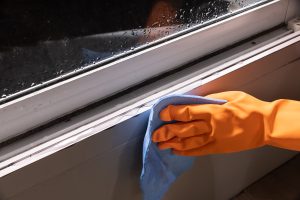
Tracks rarely need regular maintenance other than occasional cleaning, because they can accumulate grit, dust, or plant debris over the years if left unattended. When that buildup keeps the sash from sliding evenly, the window may sit slightly off level, which prevents full contact with the weatherstripping.
If the window drags, feels uneven, or leaves a visible gap along one edge when closed, a quick vacuum and wipe-down of the channel is sometimes enough to fix it.
If the window still sits unevenly afterward, the rollers or sash alignment may be the cause rather than debris.
How Roller Wear Affects Air Leaks and Smooth Operation
Most homeowners never adjust or replace rollers, which is how it should be. Rollers should ideally last the life of the window. However, when they do begin to wear or sit out of alignment on older windows, the sash may tilt slightly, reducing the pressure needed to seal tightly against the frame.
Potential signs of roller wear include:
- The sash rattles in its track during windy weather
- The window feels harder to open or close
- You feel drafts along the vertical meeting points
- The sash no longer latches cleanly without extra force
Some windows allow simple roller adjustments to level the sash. If the rollers are worn out or damaged, they can be replaced. If the frame itself has warped or shifted over time, no roller adjustment will correct the underlying leak, and the window should be replaced.
Signs That Weep Holes Aren’t Draining Properly
Weep holes allow water to escape from the sill channel during rain. They don’t need regular attention, but they can clog with dust, leaves, or insect debris. In a wind-heavy area like DFW, you might notice:
- Water sits in the sill long after rain has ended
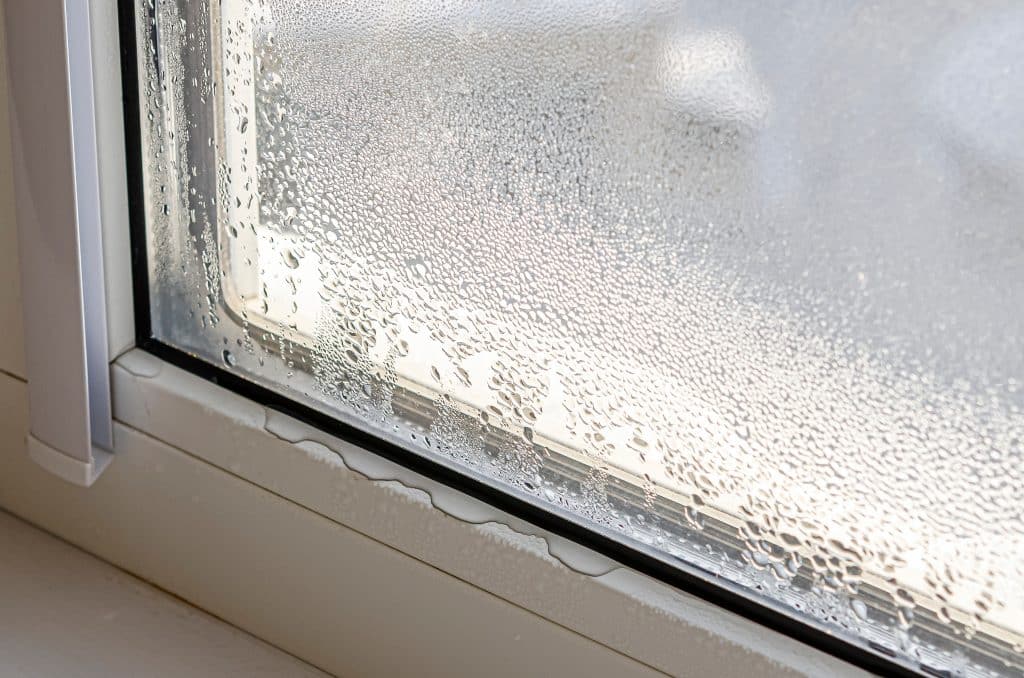
- There is moisture or condensation where the sash meets the frame
- The bottom sash feels harder to slide after rainfall
Clearing the exterior openings with a toothpick or gentle water pressure resolves most drainage issues. If water continues to collect, the window frame or sill alignment may be the deeper cause.
When Felts and Weatherstripping Begin to Break Down
Sliding windows rely on felt weatherstripping and seals that compress each time the sash moves. Over time these materials flatten, tear, or lose tension, reducing their ability to block air. This could be the problem if you notice:
- Cold drafts along the sides of the sash
- Visible gaps in the felt or areas where it’s pulled away
- Light passing between the sash and frame
This is usually only a problem on older windows that are already due for replacement.
Worn Interlocks and Why They Matter
Interlocks are the meeting points where sash components connect to resist wind. When interlocks wear down or lose alignment, sliding windows may whistle, shake, or allow cold air through on windy days. This may be the problem if you notice:
- Whistling or vibrating noises during storms
- The sashes don’t meet firmly when closed
- There are drafts along the meeting rail even when the lock is engaged
Interlock issues can potentially be corrected through sash adjustment or replacing worn components. Unfortunately, this is typically a wear-related issue associated with age. If the interlock no longer meets due to frame movement or age, replacement is usually the more effective long-term option.
When These Problems Indicate It’s Time for New Sliding Windows
Obstructed tracks and weep holes are the two issues that can often be addressed with simple DIY maintenance. The other issues are more commonly associated with age and wear. Window replacement is often easier and more affordable in the long run.
Modern sliding windows offer better frame rigidity, upgraded weatherstripping, stronger interlocks, and improved insulated glass, all of which help performance in wet and cold weather without requiring frequent upkeep.
Why DFW Homeowners Choose Window Zone When Replacing Sliding Windows
Window Zone’s replacement sliding windows are custom-made to ensure a perfect fit for every home. Stronger frames, advanced sealing materials, and improved track and roller systems help ensure homeowners experience fewer sliding window issues.
Installations are performed by certified professionals who ensure proper alignment, tight seals, and long-lasting performance. Our work is backed by a lifetime transferable warranty that covers glass, frames, moving parts, and labor.
Schedule Your Sliding Window Replacement Estimate in Dallas–Fort Worth
If your current sliding windows feel drafty or difficult to operate, Window Zone can assess the cause and recommend the right solution. Call (469) 557-6333 to schedule your free consultation.