Many homeowners invest in window replacement expecting immediate improvements in comfort, energy efficiency, and protection from water intrusion. Yet some are surprised to find that drafts remain, room temperatures still feel uneven, or water intrusion issues persist even after new windows are installed.
The problem may not be the window itself but the type of replacement that was chosen. Window insert replacements and full-frame replacements are very different things, and new inserts alone won’t fix performance issues caused by frames.
What a Window Insert Replacement Really Is
A window insert replacement involves installing a new window unit inside the existing window frame. The original frame, sill, and surrounding structure remain in place. This approach is often quicker, less invasive, and a bit less expensive, which makes it appealing at first glance.
Insert replacements can work well when the existing frame is in excellent condition and the goal is limited to updating the glass or appearance. However, they do not address problems that exist beyond the visible window unit.
If comfort or water issues originate from the frame, flashing, or wall integration, an insert replacement won’t fix the underlying problems.
Why Comfort Problems Often Remain After Insert Replacements
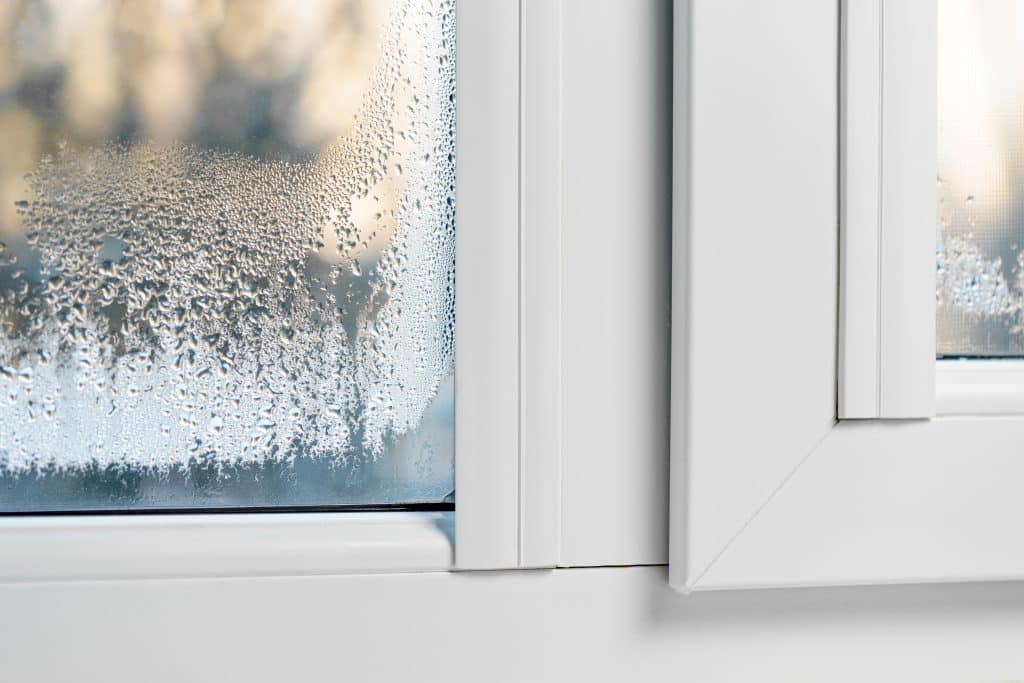
Comfort issues such as drafts, hot spots, and cold areas are frequently caused by air leakage around the window opening rather than through the glass itself.
Any gaps, warping, or insulation deficiencies around that frame will remain, even if you replace the old sash. The glass may perform better, but the surrounding structure still allows unwanted air transfer.
How Water Problems Get Missed
Water intrusion is rarely caused by the window sash alone. It is usually the result of issues with flashing, drainage, or how the window integrates with the wall system.
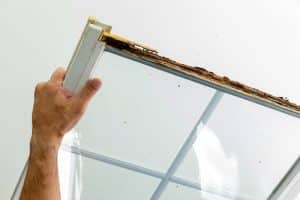
Insert replacements do not remove the original frame or expose the underlying flashing. If water is entering through deteriorated materials, improper installation, or aged sealants, those pathways remain untouched.
As a result, water problems may continue or reappear later, sometimes in less visible ways. Moisture may be diverted into wall cavities rather than entering directly around the window, which can delay detection and increase damage.
What Full-Frame Replacement Does Differently
A full window replacement removes the entire existing window system down to the rough opening. This includes the frame, sill, and any compromised materials surrounding the window.
This approach allows installers to:
- Inspect and repair the rough opening
- Address water damage or rot
- Install modern flashing and moisture barriers
- Properly insulate the opening
- Ensure the new window integrates correctly with the wall
By starting fresh, full-frame replacement addresses the root causes of comfort and water issues rather than just the visible symptoms.
Long-Term Water Protection Matters
Water management around windows has evolved significantly over the past couple of decades. Full-frame replacement allows modern flashing systems and drainage techniques to be installed correctly.
In Dallas and Fort Worth, sudden downpours, wind-driven rain, and seasonal storms can exploit even small weaknesses around a window opening. Proper water management protects not only the window but also the surrounding wall structure.
Insert replacements simply do not provide access to these critical components.
When Insert Replacements Make Sense
Insert replacements are most appropriate when a window’s sashes have been damaged or have failed prematurely due to defect, impact, or isolated wear. In these cases, replacing the sashes can restore operation without disturbing exterior trim or siding.
When comfort issues, air leakage, or water intrusion are present, the problem is often tied to the age or condition of the whole window rather than the sash alone. In those situations, insert replacements will not address the underlying cause.
Making an Informed Decision
Choosing between insert and full window replacement should be based on goals and the issue being addressed, not just cost or convenience. If the objective is replacing a damaged or defective sash, inserts may suffice. If the objective is solving comfort and water problems, full-frame replacement is the better solution.
Get in Touch With Window Zone About Window Replacement in Dallas, TX
Window Zone provides clear answers and window replacement solutions tailored to your exact situation. Schedule an estimate with our DFW window replacement professionals by calling 469.557.6333.