
What’s the Difference Between Solar Screens and Standard Window Screens?

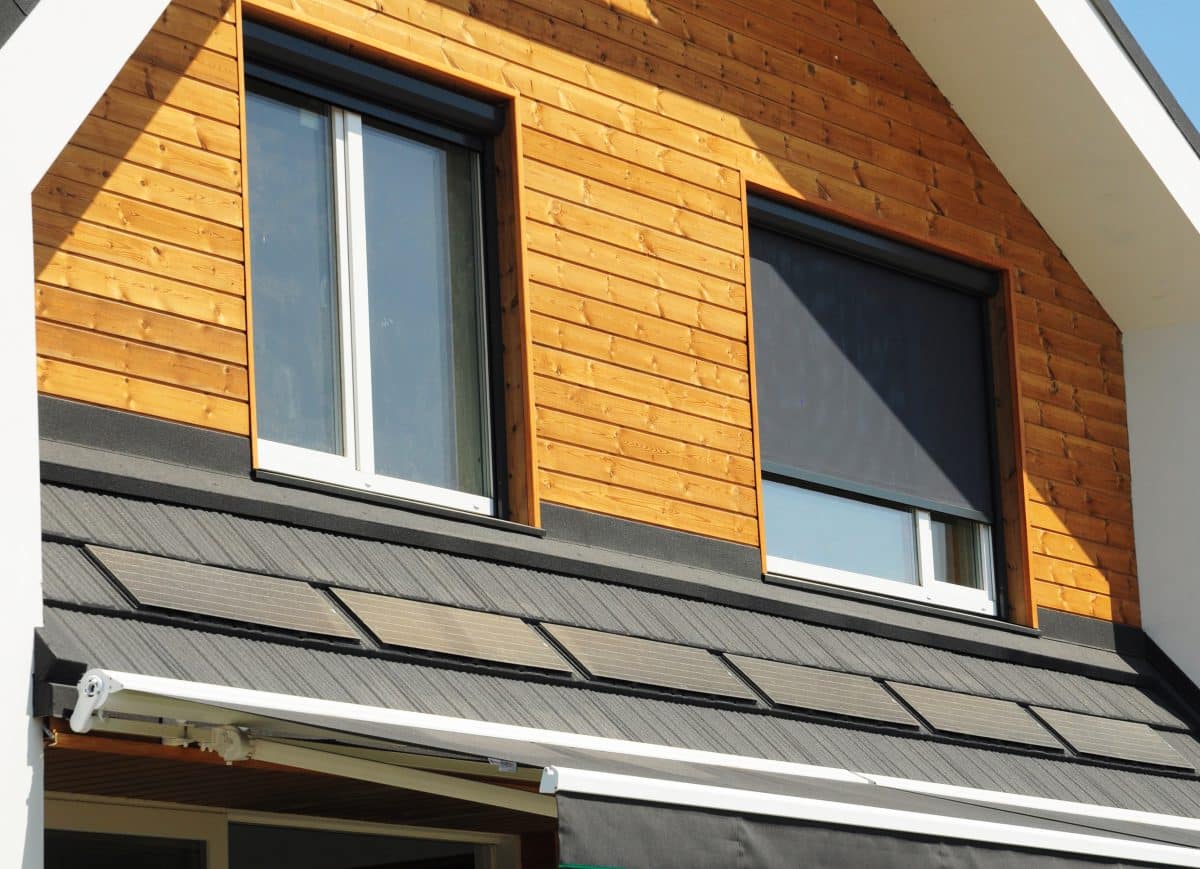
While the basic window screen frame is fairly standardized, the mesh itself is available in several different configurations. The right choice often depends on what matters most to you, such as airflow, outward visibility, glare reduction, or protection against small insects.
Standard Window Screens
Standard window screens are what most homes use by default. They typically feature fiberglass mesh stretched across a lightweight frame and are designed to keep insects, birds, and critters out while allowing fresh air to move through the opening.
The relatively open lattice structure of standard mesh options offers strong airflow and clear outward visibility, both of which are often priorities for DFW homeowners.
Standard screens typically have 18×16 openings per inch, with opening sizes of roughly 1–1.4 mm. That’s small enough to prevent common insects such as mosquitoes and house flies from getting through. However, because the mesh is more open than other screen types, extremely small insects or airborne debris may still pass through.
Solar Screens
Solar screens use a denser mesh designed to block a portion of incoming sunlight. These screens are typically darker in color and may appear almost opaque from the outside.
The tighter weave can significantly cut down on glare and solar heat entering through the window. In rooms that receive strong afternoon sun, solar screens can help reduce brightness and make interior spaces feel more comfortable.
Many homeowners who invest in solar screens only use them on west-facing and sometimes south-facing windows, but stick with normal screens on north- and east-facing windows.
Solar screens obstruct outward visibility to a noticeable degree. From inside the home, the view through the window will appear darker, like sunglasses for your windows. Airflow is also slightly reduced because the mesh is denser.
The tradeoffs may be worth it for sun-exposed rooms with large west-facing sliding windows, especially living rooms, family rooms, or bedrooms where there is a noticeable temperature difference during the afternoons.
Fine Mesh Screens
Another option sometimes used in certain environments is a finer insect mesh, sometimes referred to as “no-see-um” mesh. These screens use smaller openings in the mesh to prevent tiny insects from passing through. They may even catch some airborne debris and pollen.
However, the tighter mesh comes with the same limitations as solar screens, including reduced airflow and visibility compared to standard fiberglass screens.
For homes in the Dallas–Fort Worth area located near damp environments, or for those that regularly deal with gnats, tiny midges, thrips, or springtails, fine mesh screens can provide additional protection. For most homes, however, standard window screens are usually sufficient to block the insects homeowners encounter most often.
Choosing the Right Screen for Your Home
The best window screen type depends on how each room in the house is used and its orientation.
Rooms that receive strong afternoon sun may benefit from solar screens that reduce glare and solar heat. Windows that are frequently opened for fresh air may work better with standard screens that allow stronger airflow.
Screen meshes are easy and affordable to change if you decide you don’t like your screens’ performance.
Most hardware stores will replace the screen mesh at a fairly low cost (often between $15–$40 per screen depending on size). Specialty meshes like solar meshes or fine insect meshes typically cost more, as do new screen frames.
DFW Window Upgrades That Improve Comfort and Efficiency
Window screens can help manage sunlight, airflow, and insects, but the performance of the window itself still plays the largest role in comfort and energy efficiency. Older windows with worn seals, loose sashes, or air leaks can allow outside air and heat to enter even when the window is closed.
Window Zone installs custom-manufactured replacement windows designed for long-term performance in Dallas–Fort Worth homes. If you are considering upgrading aging windows, call 469.557.6333 to schedule a free in-home consultation and learn more about your replacement window options.