Homes built or last updated 15 to 25 years ago often have windows that lack features now considered standard for energy efficiency and comfort.
The difference is not subtle. Window technology has advanced significantly over the last two decades, and those advancements directly affect how well a home retains conditioned air and resists heat transfer during North Texas’s temperature swings.
Older Glass Technology Allows More Heat Transfer
One of the biggest differences between older and modern windows is the glass itself. Windows installed 20 or more years ago often use basic double-pane or even single-pane glass without specialized coatings.
Modern replacement windows include low-emissivity glass, often referred to as Low-E. This coating helps reflect heat while still allowing natural light into the home. In North Texas, where temperatures swing widely throughout the year, this directly affects how much heat moves through the window and how stable indoor temperatures remain.
Missing or Depleted Gas Fills Between Panes
Many double-pane windows installed 15 to 25 years ago were originally manufactured with insulating gas fills, such as argon, between the panes. Over time, the seals that hold that gas in place can weaken, allowing it to escape and be replaced by plain air.
Once the insulating gas is lost, the window’s ability to slow heat transfer drops significantly. Even though the glass may appear undamaged, thermal performance is reduced, leading to greater temperature swings near windows and increased energy use to maintain comfort.
Outdated Frame Materials and Construction
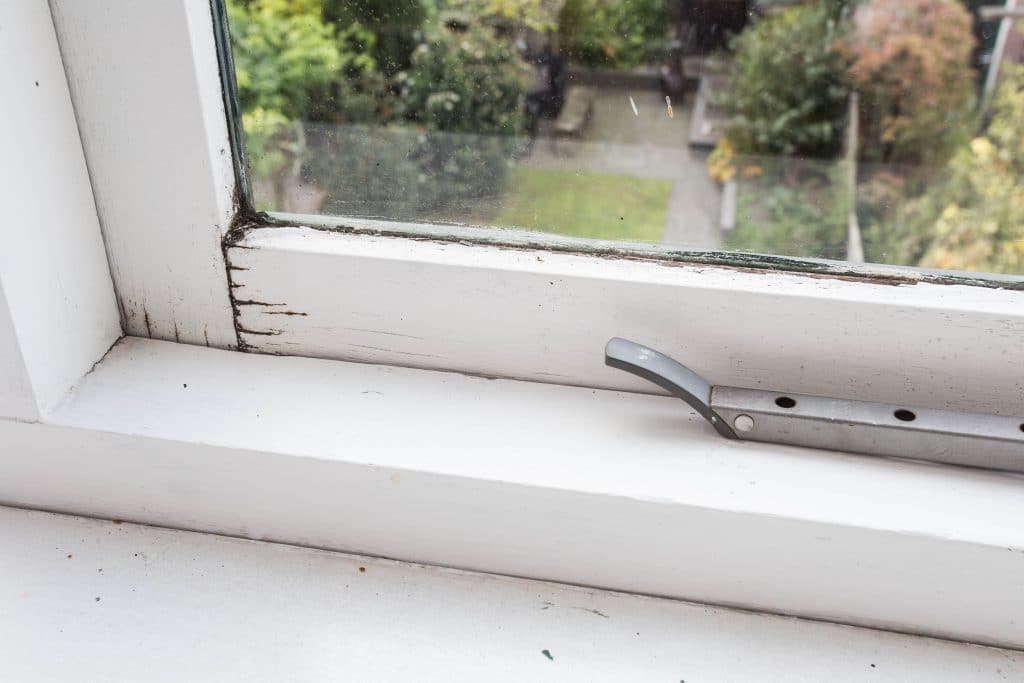
Window frames have also improved significantly over the past 15 to 25 years. Older aluminum or early vinyl frames often conduct heat more readily and may warp, crack, or lose tight seals over time.
Newer frames are engineered to reduce thermal transfer and maintain structural integrity under extreme temperature changes. In North Texas, where seasonal expansion and contraction are constant, this matters.
Frames that no longer seal tightly allow conditioned air to escape and outdoor air to enter, increasing energy demand even if the glass itself appears intact.
Weaker Seals and Spacers Over Time
Even well-made windows degrade over time. Older spacer systems between panes were not designed with today’s durability standards in mind. As seals weaken, windows may lose insulating gas or allow moisture intrusion between panes.
While fogging is a visible sign, energy loss often occurs long before condensation becomes noticeable. Small seal failures can quietly reduce efficiency year after year, contributing to higher utility bills without obvious warning signs.
Limited UV Protection
Older windows often provide little protection from ultraviolet rays. Over time, UV exposure not only affects interior furnishings but also contributes to heat buildup inside the home.
Modern window coatings are designed to block a significant portion of UV radiation while maintaining visibility. This reduces interior heat gain during summer and helps keep rooms more comfortable throughout the day.
In homes with large window areas or sun-facing elevations, this difference can be reflected directly in cooling costs.
Less Attention to Air Tightness
Window installation standards have evolved alongside window products. Older installations may lack modern sealing methods that improve air tightness around the window opening.
Even small gaps can allow air leakage that undermines efficiency. Over time, these leaks add up, especially during peak cooling months.
Today’s windows and installation practices are designed to work together to minimize unwanted air movement, supporting more consistent indoor temperatures.
Modern Windows Reflect Modern Living
Homes today place higher demands on comfort and efficiency than they did decades ago. Advances in window design reflect changes in building science, materials, and energy expectations.
Modern windows deliver improvements across appearance, operation, comfort, and efficiency. Smoother operation, tighter seals, better noise reduction, and more reliable locking all contribute to a noticeable upgrade in how a home feels day to day.
Consult With the Best DFW Window Replacement Professionals
If your home still has windows installed 15 to 25 years ago, they may be missing key features that impact comfort and energy costs.
Window Zone helps Dallas–Fort Worth homeowners find competitively priced replacement window options that reduce energy loss and improve everyday comfort. Call us at 469.557.6333 to explore window replacement options to optimize your home’s performance.