When it comes to windows and doors, the type of glass you choose can have a major impact on safety, durability, and overall peace of mind. Homes with children, pets, or high-traffic areas face unique challenges, and standard glass may not provide the strength and safety features you want to prevent accidental breakage or injuries.
Tempered Glass: Strength Meets Safety
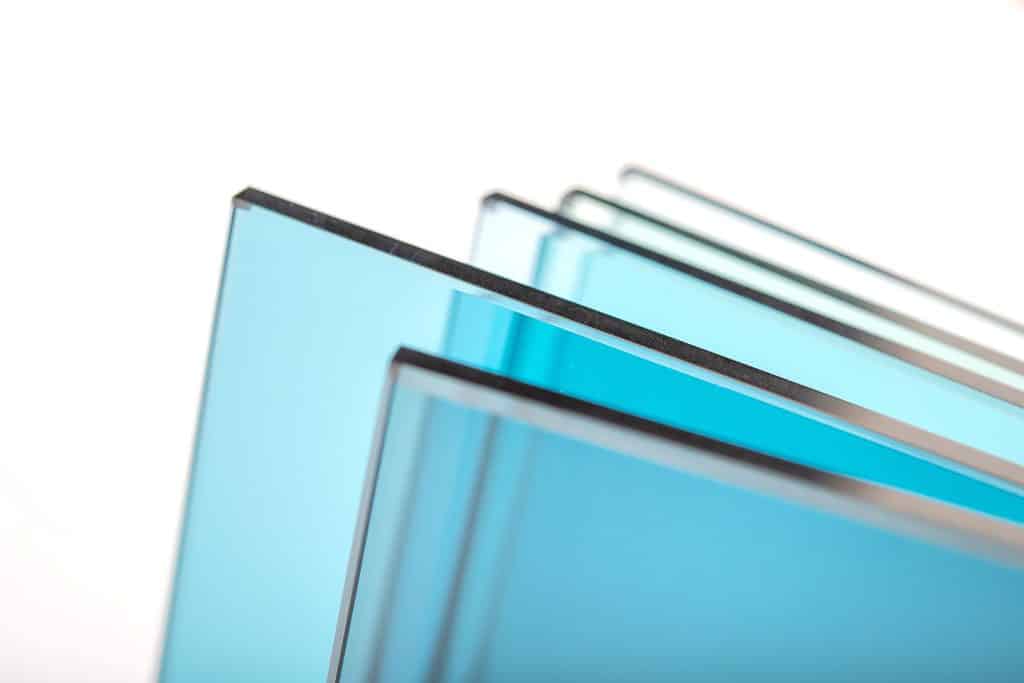
Tempered glass is one of the most popular choices for safety-conscious homes. It is heat-treated during manufacturing to make it stronger than standard glass. One of its key features is how it behaves if it breaks: instead of shattering into sharp, dangerous shards, tempered glass crumbles into small, blunt pieces.
Best uses:
- Sliding doors and patio doors in family homes
- Shower enclosures
- High-traffic windows or areas near stairways
- Pet-accessible doors where running or jumping could cause accidental impact
Tempered glass is highly durable and resistant to impacts that might crack regular glass. While it is strong, it can break under extreme force, but the risk of serious injury is greatly reduced due to how it fragments.
Laminated Glass: Extra Protection and Peace of Mind
Laminated glass consists of two or more layers of glass bonded together with a plastic interlayer, often made of polyvinyl butyral (PVB). If the glass is broken, the interlayer holds the pieces together, reducing the risk of cuts and making it much harder to penetrate.
Best uses:
- Front doors or entryways exposed to high traffic
- Large floor-to-ceiling windows
- Homes with pets prone to scratching or jumping
- Windows in playrooms or areas where children may be rough
Laminated glass also offers additional benefits, such as sound reduction and UV filtering, which can help protect furniture, flooring, and artwork from fading. It is an excellent option for families and households seeking both safety and durability in high-use areas.
Side-by-Side Comparison of Tempered and Laminated Glass
| Feature | Tempered Glass | Laminated Glass |
| Strength | Very strong, resists impacts | Strong, impact-resistant but slightly less than tempered |
| Breakage | Shatters into small, blunt pieces | Breaks but remains bonded to the PVB interlayer, holding fragments in place |
| Safety | Breaks into small, rounded pieces that are less likely to cause serious cuts | Interlayer keeps broken glass in place, lowering exposure to sharp edges and maintaining a barrier |
| Noise Reduction | Limited | Improved sound dampening due to interlayer |
| UV Protection | Varies by coating (e.g., Low-E) | Built-in UV reduction from interlayer, often enhanced with coatings |
| Best Use | High-traffic doors, windows near play areas | Entryways, large windows, pet-accessible doors, noise-sensitive areas |
In simple terms, tempered glass is ideal for areas where accidental impact is likely, but speed and convenience are priorities. Laminated glass is better for areas where maximum protection, sound reduction, or UV filtering is desired.
Where the Door or Window is Located May Help You Decide Which Is Best
- Tempered Glass: Use in areas where frequent movement, bumps, or minor impacts are expected. It balances durability with affordability.
- Laminated Glass: Choose for maximum protection, large panes, pet-accessible doors, noise reduction, or UV protection for interiors.
Laminated glass offers enhanced security in addition to safety. It is often used in areas where maintaining a barrier matters, such as front entry doors or large glass panels near play areas, because it stays in place when broken. Tempered glass is commonly used in doors and windows where safety from broken glass is the primary concern.
Protect Your Family, Pets, and Home in Dallas, TX
At Window Zone, we specialize in providing high-quality, safety-conscious glass solutions for homes. Our team can help you choose the right glass type for every window and exterior door in your home, ensuring safety, durability, and long-term peace of mind.
Contact us at Window Zone today by calling 469.557.6333.