When the cold winds blow across North Texas, the last thing you want is a draft sneaking in around your windows. If you’ve ever noticed that some windows stay warmer and quieter than others in winter, you’re not imagining things. Casement windows really do seal tighter than sliding or double-hung styles, especially in cool, breezy weather.
The secret lies in their compression seals, multi-point locking systems, and hinge design. These features work together to keep cold air out and warm air in, giving casement windows a clear advantage in energy efficiency and comfort.
The Anatomy of a Casement Window
Casement windows are hinged on one side and open outward with a hand crank. Unlike sliding or double-hung windows, which move along tracks, a casement closes by pressing directly into the frame. That motion creates a compression seal, which is a continuous gasket that’s squeezed tight when the sash locks in place.
This design means that when wind pushes against the window, it actually tightens the seal even more, rather than prying it open. That’s the opposite of what happens with sliding or double-hung windows, where wind pressure can create tiny gaps along the tracks and sashes.
Compression Seals: The Key to Airtight Performance
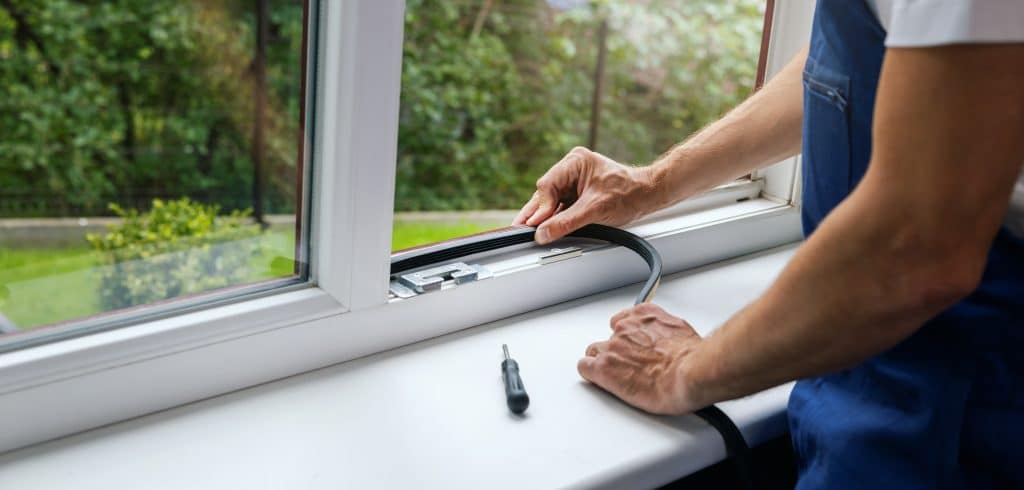
Compression seals are similar to the weatherstripping you might find on a car door. When you close the door, the rubber gasket compresses, forming a secure, air- and water-tight seal. Casement windows use the same principle.
These seals are typically made of durable materials like silicone or high-grade rubber, which stay flexible even in cold temperatures. They create continuous contact along the entire perimeter of the sash, eliminating the small gaps that sliding windows often have at the corners.
Multi-Point Locking Systems Add Extra Pressure
Another reason casement windows perform so well in cold weather is their multi-point locking hardware. Instead of a single latch or cam lock like those found on double-hung windows, casement windows use several locking points distributed around the sash.
When you turn the crank handle to close the window, multiple locks engage simultaneously, pulling the sash tightly against the frame from top to bottom. This even pressure makes sure that no single part of the seal is weaker than the rest.
Hinge Design Helps Resist Wind Pressure
Casement windows also benefit from their side-hinged design, which allows the sash to close flush against the frame rather than overlapping or sliding past it. This construction means that the hinge side is fully supported, and the latch side can pull the sash firmly into place without flexing or rattling.
Comparing Other Window Styles and Seal Types
- Double-Hung and Single-Hung Windows: These rely on brush or fin seals along the tracks and a meeting rail where the two sashes overlap. While these seals work well in mild conditions, they can’t provide full compression, leaving small channels where air can pass through.
- Sliding Windows: These use similar brush or felt seals to minimize friction during movement. They’re easy to operate but tend to lose tightness over time as debris collects in the tracks or the seals flatten out.
- Fixed or Picture Windows: Since they don’t open, fixed windows naturally have the tightest seals of all, but they offer no ventilation.
Winter Comfort You Can Feel
Because casement windows seal so tightly, they not only block cold drafts but also reduce noise and condensation. The improved air barrier means the interior glass stays closer to room temperature, preventing frost or fogging along the edges.
A tighter seal reduces drafts, which helps your home retain heat more effectively. Better draft control means your HVAC system doesn’t have to compensate for as much air loss, contributing to improved overall energy efficiency.
Casement Windows Are Great, But Not Necessarily the Best Choice for Every Application
While casement windows can offer a tighter seal, the performance difference between a well-built casement and a high-quality sliding or double-hung window aren’t that dramatic. When two replacement windows use comparable glass packages, insulated frames, and modern weatherstripping, their real-world energy performance is usually quite similar.
Casement window operating hardware is also more complex than a sliding window or double-hung window, which means more moving parts and a greater chance of wear that could affect the ease of operation. Sliding and double-hung windows are mechanically simpler, so they often remain easy to operate even as they age.
Casement windows also open outward on a hinge, so they take longer and more effort to operate and need clearance outside, which is something to consider near walkways, landscaping, or tight exterior spaces.
Keep the Cold Out With Our Casement Windows in Dallas, TX
If your home feels drafty or you’re thinking about upgrading to more energy-efficient windows, Window Zone can help. Our specialists install all types of replacement windows, including premium casement windows. Call Window Zone today at 469.557.6333 to schedule your free consultation.