Homeowners often assume that installing windows labeled “energy efficient” will automatically eliminate drafts and reduce temperature swings. While those ratings do matter, window performance depends on more than the product itself.
Air leakage ratings describe how a window performs under controlled conditions, but how that performance translates into real comfort depends on how the window is integrated into the home.
What Features Help Lower Air Leakage Ratings
Modern windows are engineered with several built-in features designed to reduce air movement through the unit itself.
- Multi-layer weatherstripping helps create tighter seals at operable joints, especially along meeting rails and vertical frame edges.
- Improved frame designs reduce flexing under pressure, which helps maintain consistent contact between moving parts and seals.
- Higher-quality locking mechanisms pull panels more tightly into the frame when closed.
- Reinforced meeting rails and tighter manufacturing tolerances further limit air pathways.
Together, these design improvements help reduce air leakage at the product level before installation even begins.
What Air Leakage Ratings Measure
Air leakage, often listed as “AL” in spec sheets and marketing materials, measures how much air passes through a window assembly when pressure is applied in a laboratory setting. The rating is standardized, which allows different window products to be compared under the same test conditions.
Lower air leakage values indicate tighter performance, meaning less air moves through the window itself.
All operable windows allow some degree of air movement by design, and an AL rating does not indicate a defect or flaw. It simply establishes a baseline for how the window performs as a manufactured unit.
What Air Leakage Ratings Do Not Measure
Air leakage ratings only account for air moving through the window product. They do not measure air movement around the window once it is installed in a wall.
AL ratings do not account for:
- Gaps between the window frame and the rough opening
- Insulation consistency around the perimeter
- Sealing depth or continuity
- Differences between lab pressure and real weather conditions
Proper installation focuses on creating a continuous air barrier between the window and the home. This includes correct alignment, full-depth insulation at the opening, and sealing methods that remain effective as materials expand and contract.
How Air Leakage Becomes More Noticeable During Temperature Extremes
Air leakage affects comfort throughout the year, but it becomes most noticeable during summer heat waves and winter cold fronts. Extreme differences between indoor and outdoor conditions increase pressure on the building envelope and magnifies even small air pathways around window openings.
In summer, hot outdoor air pushes inward, adding heat and humidity that make it harder to maintain stable indoor conditions.
In winter, cold, dense air and stronger winds make air movement feel more immediate near exterior walls and windows.
In both cases, the issue is often not the window itself, but how the window opening interacts with the surrounding wall assembly. Temperature extremes don’t create air leakage, but they make its effects on comfort much easier to notice.
Installation Practices That Preserve Window Performance
Window replacement installers can help ensure DFW homeowners get the most out of low air leakage windows by:
- Taking precise final measurements so each window is manufactured for the specific opening
- Positioning and securing the window to maintain uniform spacing within the frame
- Applying insulation consistently around the entire perimeter of the opening
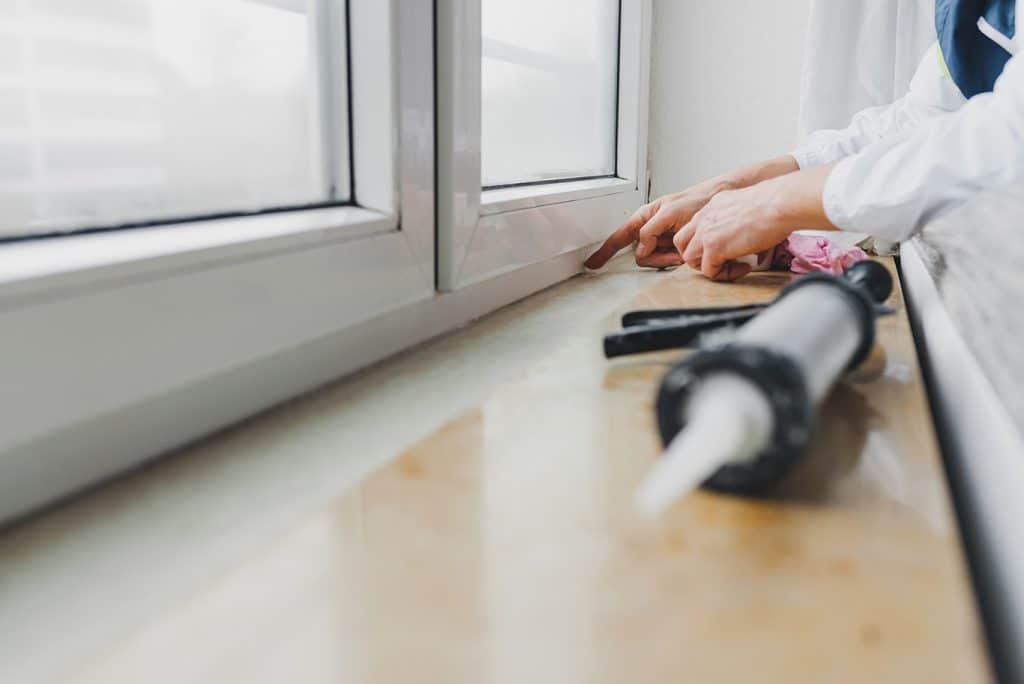
- Sealing the window as a continuous air barrier between the frame and surrounding wall
These practices help carry a window’s rated performance from controlled testing into real-world conditions.
Getting the Most Out of Your Replacement Windows
Air leakage ratings are a useful comparison tool, but they represent only part of the performance picture. Real comfort comes from pairing a well-designed window with precise measurement and professional installation that addresses the entire opening, not just the glass.
If you’re considering replacement, Window Zone can provide a free professional evaluation and replacement estimate at 469.557.6333.