
For many homeowners, window replacement day comes with a mix of anticipation and uncertainty. Concerns about noise, dust, disruption, and timing are common, especially in an occupied home.
While every project is unique, professional window replacement follows a structured, repeatable process. That means, for the most part, the challenges are predictable and you can take steps to mitigate them before your window installers arrive.
How Long Does Window Replacement Typically Take?
The time required depends on the number of windows and the complexity of each opening. Under normal conditions, many standard-sized windows can be removed and replaced in roughly 30 to 60 minutes per unit. Larger picture windows, specialty shapes, or windows requiring minor carpentry adjustments may take longer.
A whole-home replacement often takes one to two days, depending on the quantity of windows and site conditions. Factors that can affect timing include:
- Window size and style
- Accessibility inside and outside the home
- The condition of existing frames
- Weather conditions
- Whether trim or framing adjustments are needed
While installers should work efficiently, it’s best for everyone that window replacement is not rushed. Careful preparation and sealing matter more than speed.
What Happens Before Installation Begins
When the crew arrives, the first step is staging and preparation. Tools and materials are organized, and work areas are protected. Flooring near windows is typically covered, and nearby furniture may be moved or shielded to prevent dust or debris from spreading.
Installers usually confirm the window layout before beginning work. This ensures that each unit is installed in the correct opening and matches the original project plan.
Removing the Existing Window
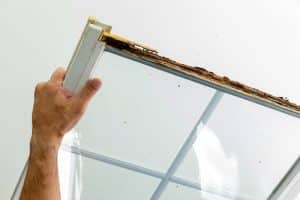
Old windows are removed carefully to avoid damaging surrounding drywall, siding, or trim. Depending on the type of window being replaced, interior stops or trim may be temporarily removed to access the unit.
Once the old window is out, the opening is checked for level, structural soundness, and any minor irregularities that need correction before the new window goes in.
Preparing the Opening
Preparation is a critical part of the process. The opening is cleaned of debris and checked for proper alignment. In some cases, small adjustments are made to ensure the new window sits square and level.
Insulation is added or replaced around the opening as needed. Proper insulation and spacing help maintain both energy efficiency and long-term performance. Even small inconsistencies can affect how well the window seals once installed.
Installing and Sealing the New Window
The new window is positioned, leveled, and secured according to manufacturer specifications. Installers check operation before final fastening to ensure smooth opening and closing.
Insulation is applied evenly around the perimeter of the frame. Exterior and interior sealing creates a continuous barrier against air and moisture. These steps are essential to preserving the window’s designed performance in real-world conditions.
Interior and Exterior Finishing
After installation, trim is reinstalled or replaced as needed. Exterior caulking is completed to create a clean, finished appearance and prevent water intrusion. Sealants may initially appear slightly brighter than surrounding materials, but typically blend in as they cure.
Installers also clean the glass, remove protective materials, and clear debris before moving to the next window.
What to Expect in Terms of Noise and Dust
Window replacement is not silent. There will be periods of moderate noise during removal, fastening, and sealing. However, the noise is localized to the active work area and moves from window to window throughout the day.
Dust is generally limited and controlled with floor coverings and careful removal practices. Because installers work on one opening at a time, the rest of the home remains largely undisturbed.
Managing an Occupied Home During Installation
Homeowners can help keep the process smooth by preparing a few simple items in advance:
- Move furniture a few feet away from windows
- Remove wall décor near the work area
- Secure pets in a separate room or yard
- Keep children clear of active installation zones
Schedule a Structured Window Replacement Process With Clear Expectations
Professional window replacement is methodical and controlled. From measurement to final sealing, each step is designed to protect the home and preserve the performance of the new windows.
If you’re considering window replacement and want a clear understanding of what the process will look like in your home, call Window Zone at 469.557.6333 to schedule a free consultation and estimate.