The Dallas-Fort Worth (DFW) metroplex spans nearly 9,300 square miles and is home to a growing population of more than 8.3 million people. It’s the 4th largest metro area in the U.S. currently, and unlike some of the more populous metroplexes, DFW’s massive geographic footprint makes vehicle travel a necessity.
That’s a roundabout way of saying many homeowners are subjected to consistent, intrusive road noise in their homes.
Many homeowners assume that any new insulated window will significantly reduce road noise. In reality, sound control depends on the specific glass configuration, not just the presence of multiple panes.
Why Road Noise Often Enters Through Windows
Windows are one of the most vulnerable points in the building envelope when it comes to sound transmission. Glass is thinner and less dense than surrounding walls, and operable windows must allow for movement, which limits how tightly they can seal compared to fixed structural elements.
Most road noise is airborne sound generated by engines, tires, and wind turbulence. Lower-frequency sounds, such as heavy trucks or sustained highway traffic, are especially difficult to block. Any small gaps around the window frame can further reduce sound performance, allowing noise to bypass the glass entirely.
Because of this, both the window configuration and the quality of the installation affect how much exterior noise reaches the interior.
How Sound Reduction Is Measured in Windows
Two ratings are commonly used to describe window sound performance: STC and OITC.
STC, or Sound Transmission Class, measures how well a window reduces common airborne sounds like voices or general neighborhood noise. It is useful for comparing window configurations but does not fully represent how a window performs against traffic noise.
OITC, or Outdoor–Indoor Transmission Class, places more emphasis on lower-frequency sounds typical of road and highway noise. For homes near busy streets, OITC is often a more relevant indicator than STC alone.
Both ratings help compare different glass options, but neither guarantees silence. They describe relative reduction, not complete sound isolation.
Why Standard Double-Pane Windows Have Limits
Standard double-pane windows are primarily designed for thermal performance. The two panes of glass and sealed airspace between them slow heat transfer and improve energy efficiency.
However, in the typical double-pane replacement window, both panes are similar in thickness. While effective for insulation, symmetrical glass does not interrupt sound waves as efficiently as more specialized constructions.
What Makes Laminated Glass Different
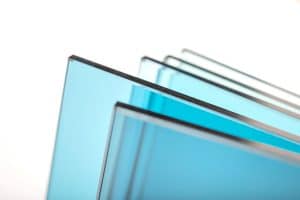
Laminated glass is constructed by bonding two layers of glass with a clear interlayer between them. This interlayer absorbs and dampens vibration, reducing the amount of sound energy that passes through the window.
Unlike standard insulated glass, laminated glass disrupts sound waves rather than simply slowing them. This makes it particularly effective against road noise, which tends to be lower in frequency and more persistent.
Laminated glass can be used alone or as part of an insulated glass unit, depending on the window configuration. It is not a universally necessary upgrade, but for homes with noticeable road noise, laminated glass provides better sound reduction than standard double-pane glass.
When Laminated Glass Is Worth Considering
Homes that may benefit from laminated glass include those:
- Located near highways, feeder roads, or major intersections
- Exposed to consistent traffic noise throughout the day and night
- With bedrooms or living areas facing the primary noise source
Other Factors That Affect Noise Reduction Results
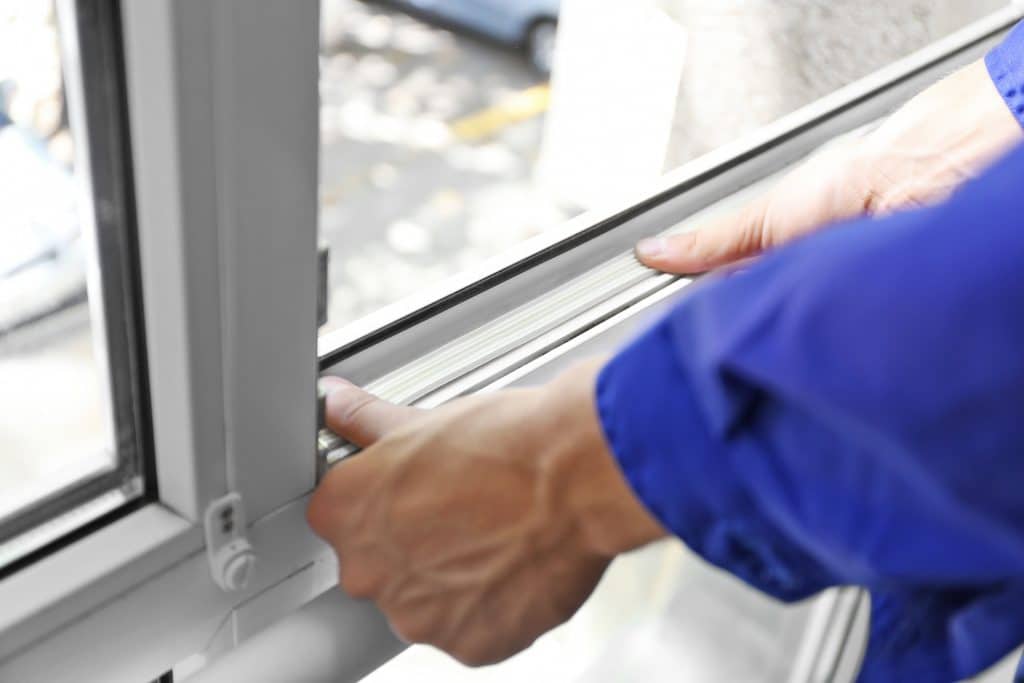
Proper measurement, alignment, insulation, and perimeter sealing help ensure sound reduction occurs through the glass rather than around it. Window size, wall construction, and overall home design also influence results.
Enjoy a Quieter Home With Sound-Reducing Windows in DFW
If you’re considering window replacement as a way to reduce indoor noise pollution and want to know whether standard insulated glass or laminated glass makes sense for your home, call Window Zone at 469.557.6333to schedule a free consultation and quote.