
How to Reduce the Risk of Water Infiltration Around Sliding Windows and Patio Doors

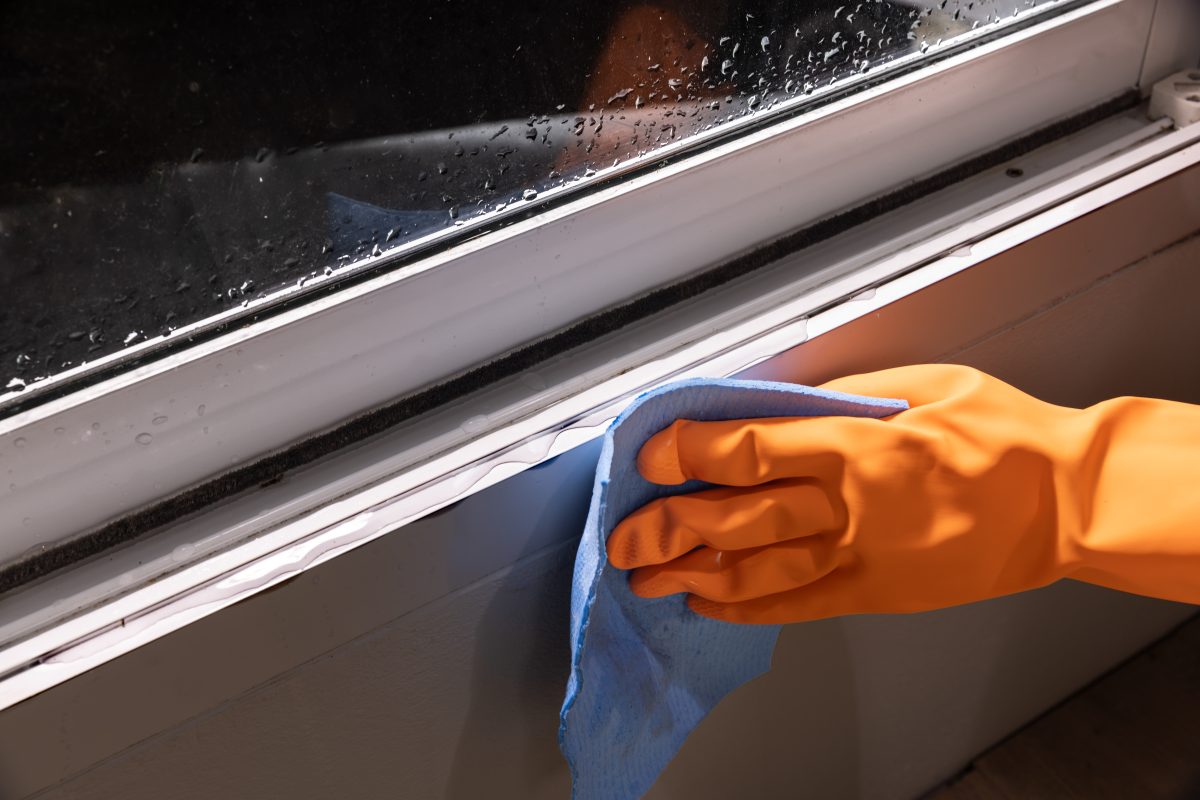
Sliding windows and patio doors are designed with built-in drainage systems to manage water. Unlike fixed windows, they have moving parts, tracks, and channels that can collect debris over time.
When everything is working properly, water that enters the outer track is redirected and drained safely outside. But when these pathways become blocked or damaged, water can back up and find its way into your home.
That is when you start noticing damp spots, water stains, or unexplained moisture after a storm.
Weep Holes
Weep holes are tiny openings located along the bottom of window and door frames. Their job is to let water escape from the track system. Despite their small size, weep holes play a critical role in preventing water from overflowing into your home.
What to check:
- Look for visible dirt, dust, or debris blocking the holes
- Check for signs of standing water in the track
- Make sure water can flow freely out of the openings
If weep holes are clogged, water has nowhere to go. During heavy rain, this can quickly lead to overflow and interior leaks.
Tracks and Rollers
The tracks on sliding windows and patio doors are another common source of issues. Over time, they can collect dirt, leaves, pet hair, and other debris, especially if the door is frequently used. This buildup can:
- Block drainage paths
- Prevent proper sealing when the window or door is closed
- Cause uneven movement or sticking
What to check:
- Inspect tracks for visible debris or buildup
- Open and close the window or door to ensure smooth operation
- Look for gaps or misalignment when closed
Even if your door seems to function normally, hidden buildup can still interfere with drainage during a storm.
Hidden Drainage Paths You Cannot See
Many sliding door systems are designed to direct water through the track toward weep holes using slight slopes, internal compartments, or small built-in pathways that aren’t always visible from the surface.
When these drainage paths become blocked, or if the frame shifts over time, water can get trapped instead of flowing out as intended.
This is where basic maintenance can fall short. If the weep holes appear clear but water still isn’t draining, the issue may be within the track system itself rather than something you can easily access.
Check Seals and Weatherstripping
While drainage systems handle water that gets in, seals and weatherstripping are meant to keep water out in the first place.
Over time, these materials can wear down, crack, or become loose, especially in climates with strong sun exposure and temperature changes.
What to look for:
- Cracked or brittle weatherstripping
- Gaps along the edges of windows or doors
- Signs of moisture near interior frames
Damaged seals can allow water to bypass drainage systems entirely, leading to leaks even when everything else is functioning properly.
Early Warning Signs to Watch For
Before heavy rains arrive, pay attention to subtle signs that something may be wrong:
- Water pooling in tracks after light rain
- Musty smells near windows or doors
- Visible dirt buildup in drainage areas
- Difficulty opening or closing sliding units
- Minor leaks that seem to appear randomly
These issues often start small but can worsen quickly during a major storm.
When to Call a Professional
You should consider calling a window and patio door specialist if:
- Water continues to pool even after clearing visible debris
- Leaks occur during moderate or heavy rain
- Frames appear warped, misaligned, or damaged
- Seals or components show significant wear
- Your windows or doors are older and have not been inspected in years
Ensuring Proper Window and Patio Door Track Drainage Before Rainy Weather Can Prevent Leaks
If you are unsure about the condition of your windows or doors, or you want peace of mind before the next storm, Window Zone in Dallas is here to help. Schedule an inspection with Window Zone by calling 469.557.6333.