
How Window Placement + Air Leaks Feed the “Stack Effect” (and Why Your Upstairs Gets Hot First)

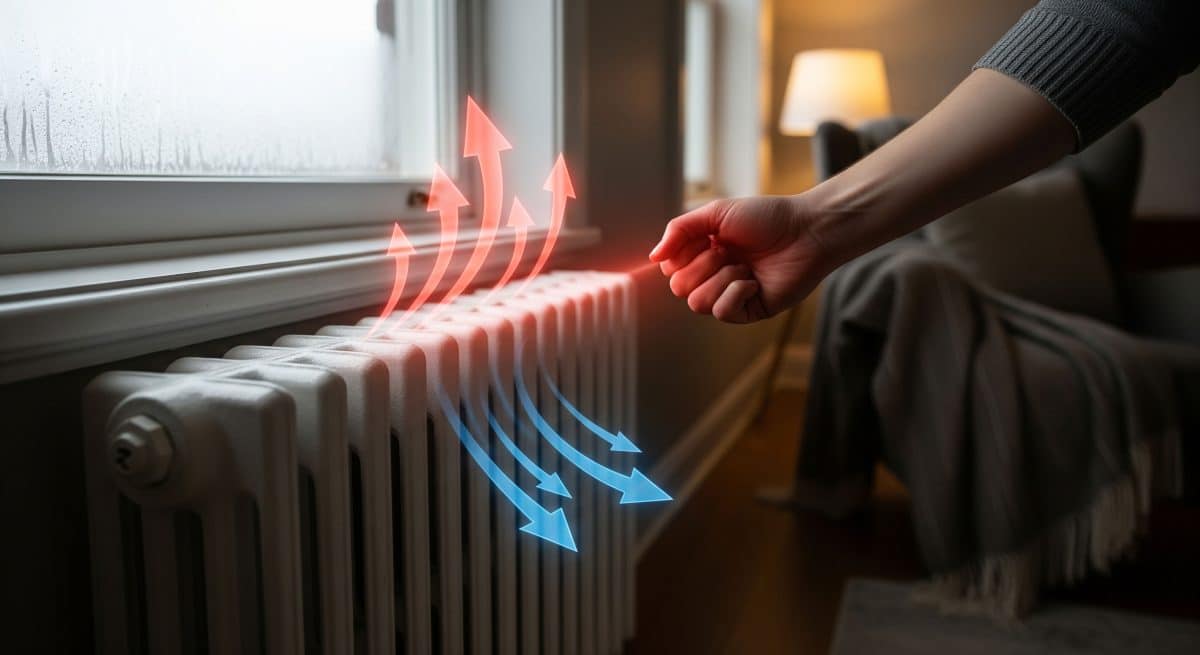
If your upstairs rooms always feel warmer than the rest of your home, particularly in the summer, you’re not imagining it. This common comfort issue is often caused by something called the stack effect, a natural air movement pattern that can significantly impact indoor temperatures.
What Is the Stack Effect?
The stack effect is a natural process where warm air rises and cool air sinks. In a home, this creates a vertical airflow pattern:
- Warm air inside your home rises toward the upper levels
- As it escapes through leaks in the upper portions of your home, it creates negative pressure
- That negative pressure pulls in cooler air from lower levels or outside
This continuous cycle can lead to uneven temperatures throughout your home.
Why Upstairs Gets Hot First
Rising Warm Air
Heat naturally moves upward. As your HVAC system runs or as sunlight warms your home, that heat accumulates on the second floor or in attic-adjacent spaces.
Solar Gain Through Windows
Upstairs windows often receive more direct sunlight. Without proper insulation or protective glass, these windows allow heat to enter and build up quickly.
HVAC Airflow and Duct Limitations
Second floors are often harder to cool effectively due to longer duct runs, reduced airflow, or poorly balanced systems. In many homes, the thermostat is also located on the main floor, so once that area reaches the set temperature, the system cycles off even if the upstairs is still warm.
All these issues combine to create a perfect storm: heat rises, solar gain adds more warmth, and limited airflow makes it harder to remove that heat.
The Role of Window Placement
Window placement plays a bigger role than many homeowners realize. Where your windows are located and how well they perform can either help regulate airflow or make the stack effect worse. For example:
- High windows (especially near ceilings or stairwells) can act as exit points for warm air in winter
- Large, sun-facing windows can increase heat gain in summer
- Poorly sealed windows can allow conditioned air to escape while letting outdoor air in
If your home wasn’t designed with airflow balance in mind or if your windows are old, these factors can amplify temperature differences between floors.
How Air Leaks Make It Worse
Air leaks are one of the biggest contributors to the stack effect. Even small gaps around windows, doors, and frames can create pathways for air to move in and out of your home.
- Warm air escapes through leaks in upper-level windows or attic spaces
- This loss of air pulls more hot outdoor air inside from lower levels
- Your HVAC system has to work harder to compensate, often unevenly
Common problem areas include:
- Worn or damaged window seals
- Gaps around window frames
- Aging or improperly installed doors
- Poor insulation near window openings
These leaks don’t just affect comfort; they also reduce energy efficiency and increase utility costs.
Signs the Stack Effect Is Affecting Your Home
If you’re dealing with the stack effect, you may notice:
- Upstairs rooms that are consistently warmer than downstairs
- Drafts near windows or doors
- Uneven temperatures from room to room
- Higher energy bills, especially during peak seasons
- Difficulty maintaining a consistent thermostat setting
These symptoms are often interconnected and point to underlying airflow issues rather than just HVAC performance.
How Window and Door Upgrades Help
The good news is that you don’t have to live with these temperature swings. Replacing your windows and doors can significantly reduce the stack effect by improving insulation and sealing air leaks.
- Improved Sealing: Modern windows are designed with tighter seals and better installation methods, reducing unwanted air movement.
- Energy-Efficient Glass: Advanced glass options help limit heat transfer, keeping hot air out and cool air in.
- Better Frame Materials: New window frames are more resistant to warping and gaps, maintaining their performance over time.
- Strategic Placement Adjustments: In some cases, replacing or upgrading specific windows can help rebalance airflow and reduce heat buildup.
When combined, these improvements help stabilize indoor temperatures, making your entire home more comfortable.
Counter the Stack Effect in Your DFW Home With Replacement Windows
Our team at Window Zone can assess your home, identify problem areas, and recommend solutions that reduce air leaks and improve overall performance. Contact us at 469.557.6333 to schedule a window replacement consultation.